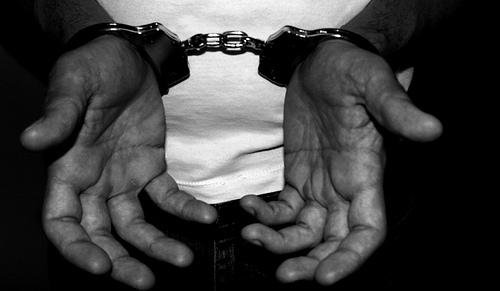
Minneapolis resident Manu Lewis has spent the past four years working to turn his life around and give back to society despite his criminal record. “I do a lot of volunteer work. I do a lot of community work,” he said. “I do a lot of organizing within the community that I reside in, but the fact still remains that society still sees me as a convicted felon. So no matter how much time I volunteer, no matter how many good deeds I try to do, I always have that stigma attached to me.” He looks to people like Michelle Alexander who are “trying to overthrow some of these policies that are keeping the community held hostage.”
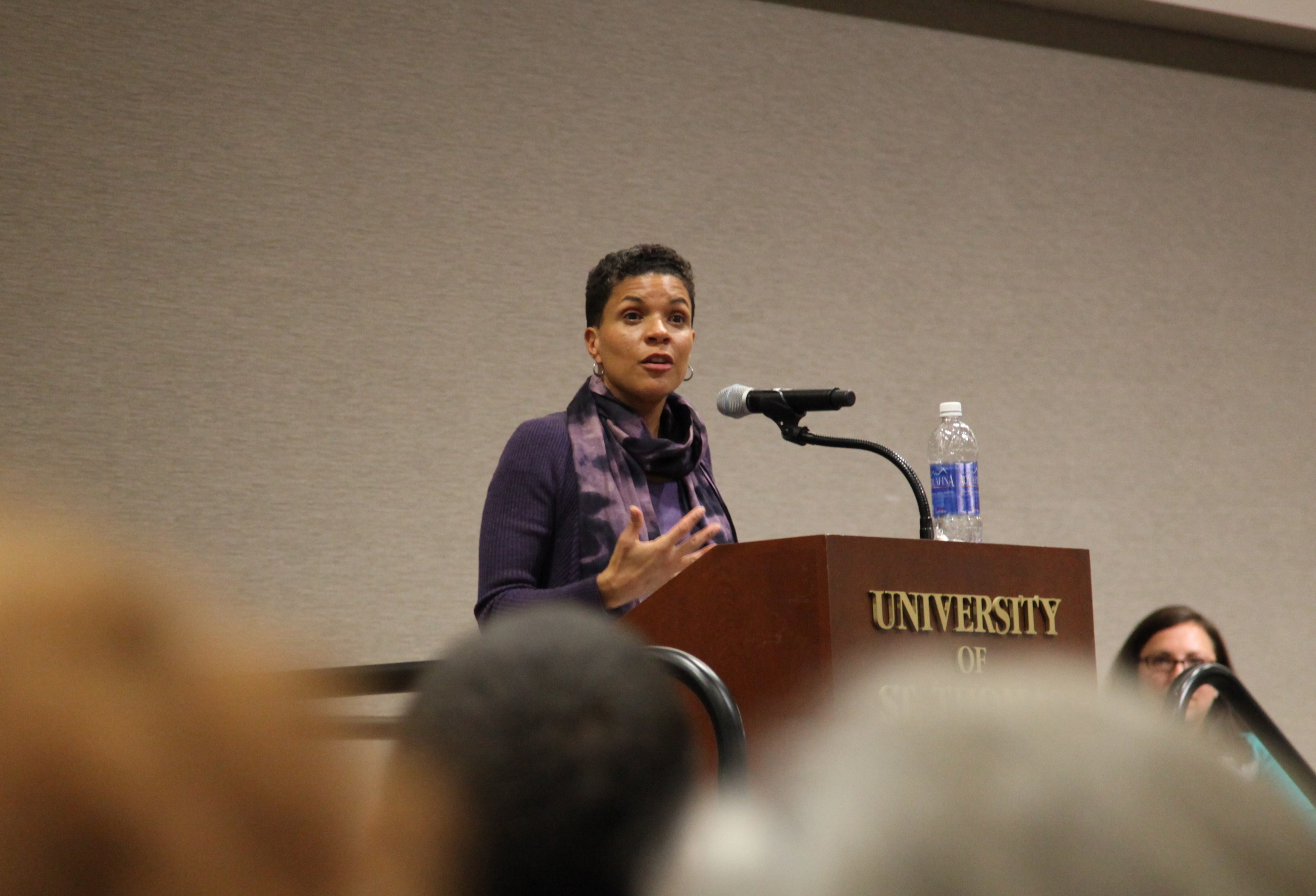
Michelle Alexander is an author, professor, civil rights lawyer and advocate, who has represented hundreds of victims of racial profiling and police brutality during her career. With ten years experience advocating for change in the criminal justice system, she visited the St. Thomas campus in St. Paul on April 8 to share the thesis of her book, The New Jim Crow: Mass Incarceration in the Age of Colorblindness.
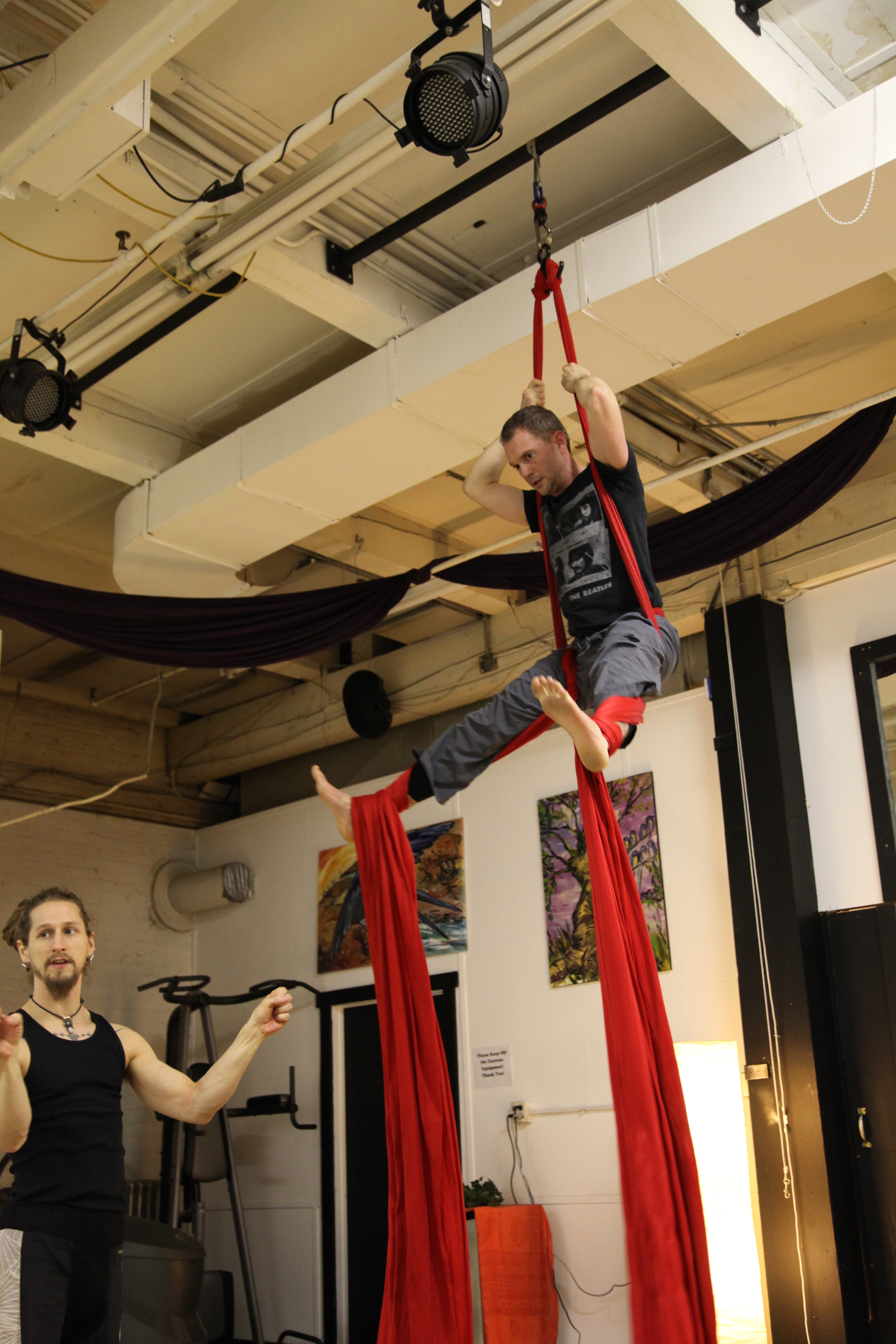
In recent decades, Cirque du Soleil popularized a gravity-defying act with its Aerial Silk performances. Several circus-arts studios in the Twin Cities are now translating that art form into an exercise routine. An aerial fitness class at the Rabbit Hole in northeast Minneapolis teaches students how to build strength while reaching new heights.
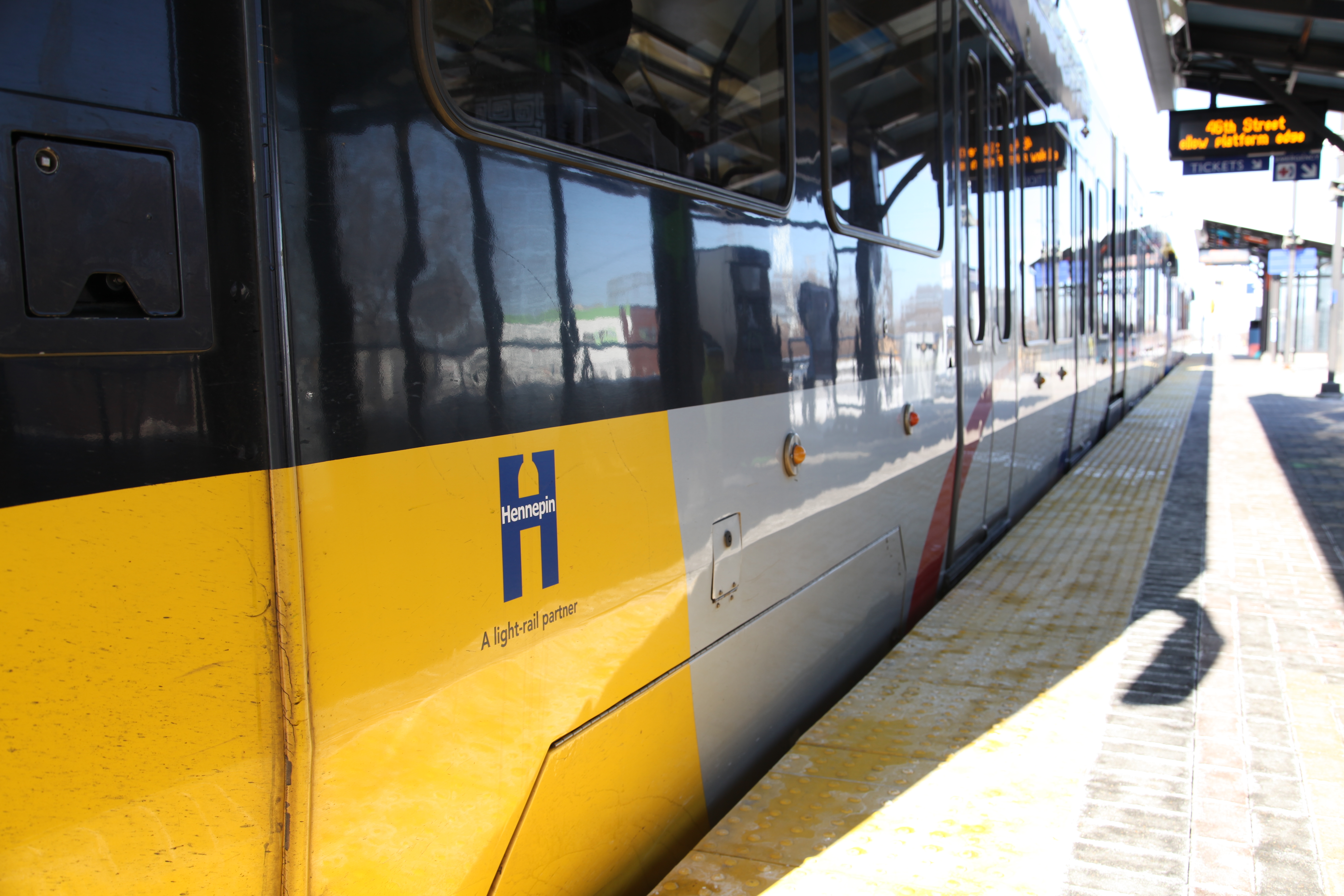
Construction of the Central Corridor light rail to connect downtown Minneapolis and downtown St. Paul is well under way. Since its inception, the project has received a mix of community excitement and trepidation. Some business owners along University Avenue have struggled or closed because of the lack of access and parking during construction, but the Met Council maintains that the route will ultimately bring economic development to surrounding neighborhoods.
“We have a crisis in public education especially for black males,” according to St. Catherine’s University Professor Nancy Heitzeg. Zero tolerance policies, born out of the language of the war on drugs which created the Gun Free Schools Act of 1994, resulted in kids being suspended and expelled at much higher rates, with “incredible racial disparity,” she said. “What we see nationally and in Minnesota is that African American males are six times more likely to be suspended from school, but there’s no indication that they have more disruptive behavior than white students.” She also suggested that No Child Left Behind era policies encourage schools to push out students who are dragging down test scores, which, combined with a growing police presence in schools, have pushed up incarceration rates for young people.
Heitzeg was one of the panelists at the sixth annual “How are the Children” symposium held at the University of St. Thomas School of Law on March 20. In a panel called “The Black Boys’ Burden: Educational Equity and Cultural Challenges in the Classroom,” Heitzeg said young black men are locked out of well resourced schools, gifted and talented programs and postsecondary options and pushed out into the prison pipeline.
President Obama’s visit to Minneapolis was his first stop outside Washington D.C. to rally support for proposed gun control legislation. The president addressed an auditorium packed with uniformed officers and the media, and met with officials and community leaders from around the state to hear what people in Minnesota are saying about gun violence, and strategies to combat it.
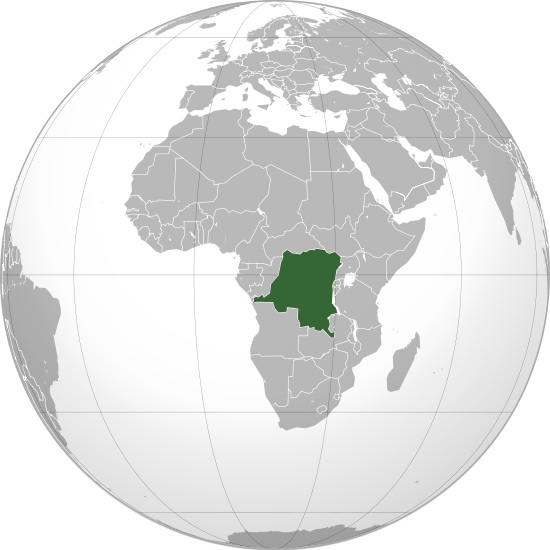
The American Refugee Committee has been working for several years to help people in Eastern Africa who have been displaced by regional conflicts. Recently a member of the Minnesota-based organization traveled to Congo to access the conditions on the ground for refugees fleeing violence in the eastern part of the country.
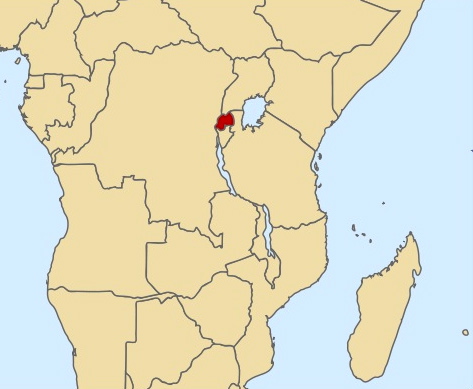
2012 has been a tough year for the people of Eastern Congo. Hundreds of thousands have fled over the border into neighboring Rwanda seeking refuge from clashes between government and militia forces. The M23 rebels in the Democratic Republic of Congo (DRC) recently took control of the city of Goma, in eastern Congo and since that action the number of displaced people in the province of North Kivu has grown from half a million to more than 800,000 people, according to the group Doctor Without Borders. Yaya Sidi Sakor is one of the many aid workers involved in assisting refugees in the area. He’s the Senior Program Coordinator in Rwanda for the American Refugee Committee, a Minneapolis-based aid agency and he has been at the center of ARC’s work in Rwanda. He was recently in Minneapolis to speak at the annual ARC’s Changemaker’s Ball.
Tens of thousands of people are leaving their homes and heading into northern Rwanda to get away from fighting that involves the rebel group M23 in the Democratic Republic of Congo. Already this year, 400,000 Congolese people have become refugees.



 Shoestringer